


Introduction
The maritime industry is undergoing a fundamental transformation. As we enter 2025, ship management is no longer limited to technical operations or regulatory compliance. Instead, it has evolved into a data-driven discipline focused on digitalization, sustainability, operational efficiency, and risk management.
Driven by stricter IMO regulations, rising fuel costs, and rapid technological advancement, fleet operators are rethinking how vessels are managed both at sea and ashore. Understanding the latest ship management trends in 2025 is critical for maintaining competitiveness in a rapidly changing maritime landscape.
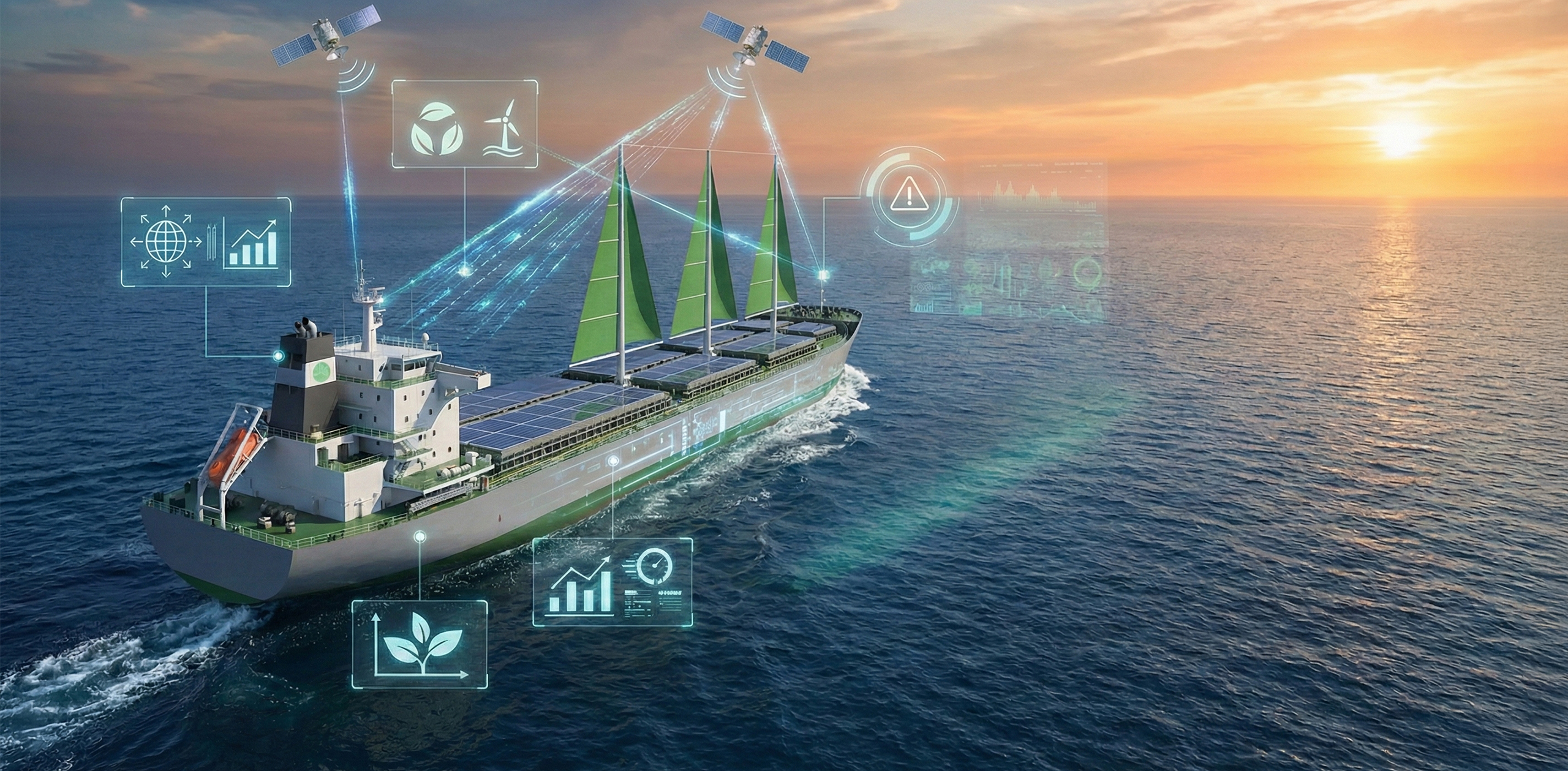
1. Digitalization in Ship Management and AI-Driven Operations
Digital transformation has become a core pillar of modern maritime fleet management. In 2025, integrated ship management software and AI-powered analytics are shaping operational decisions across fleets.
AI-Based Predictive Maintenance
Traditional breakdown-based maintenance models are no longer sustainable. AI-enabled systems analyze machinery data, sensor inputs, and historical performance to predict failures before they occur. This approach reduces unplanned downtime, lowers maintenance costs, and improves vessel availability.
Automated Reporting and Regulatory Compliance
Manual reporting and paper logbooks are being replaced by electronic logbooks and smart reporting systems. These tools streamline compliance with international regulations such as MARPOL and ensure accurate, real-time data sharing between vessels and shore-based teams.
2. Green Shipping and CII Compliance in 2025
Environmental performance is now a decisive factor in commercial operations. In 2025, CII ratings and decarbonization strategies directly influence chartering decisions and asset value.
Alternative Fuels and Emission Reduction
The maritime industry is accelerating its transition to alternative fuels, including methanol, ammonia, and LNG. At the same time, shipowners are investing in retrofits and energy-efficiency technologies to reduce carbon emissions across existing fleets.
Fuel Efficiency and Voyage Optimization
Vessels with poor CII ratings face increasing operational limitations. As a result, ship managers are adopting real-time fuel monitoring and route optimization software to improve efficiency, reduce emissions, and maintain regulatory compliance.
3. Crew Welfare and Digital Crew Management
Despite rising automation, people remain at the center of maritime operations. In 2025, crew management and welfare are recognized as key performance drivers.
High-Speed Internet and Crew Connectivity
LEO satellite solutions such as Starlink are becoming standard onboard. Reliable internet access supports crew morale, enables efficient communication with shore offices, and contributes to safer and more productive operations.
Digital Skills and Remote Training
As ship systems become more advanced, digital literacy is essential. Online training platforms, remote certification, and digital competency programs help crews adapt to modern ship management technologies.
4. Maritime Cybersecurity and Digital Risk Management
As vessels evolve into connected, data-driven assets, cybersecurity in ship management has become a critical operational concern.
Protecting Operational Technology (OT)
Cyber risks extend beyond IT networks. Navigation systems, engine control units, and cargo management platforms must be protected against threats such as ransomware attacks, system intrusions, and GPS spoofing.
Cybersecurity Regulations and Compliance
Standards such as IACS UR E26 and E27 require cybersecurity measures to be embedded throughout a vessel’s lifecycle. In 2025, cyber resilience is no longer optional—it is a regulatory and commercial necessity.
Conclusion: The Future of Ship Management
The ship management trends of 2025 clearly demonstrate a shift toward integrated, digital, and sustainable fleet operations. Companies that effectively use data, invest in green technologies, and prioritize both cybersecurity and crew welfare will be best positioned for long-term success.
As traditional practices give way to smart ship management systems, working with the right technology partner becomes essential. The future of maritime operations is already taking shape—and forward-thinking ship managers are adapting today.